
Wood-fired pottery
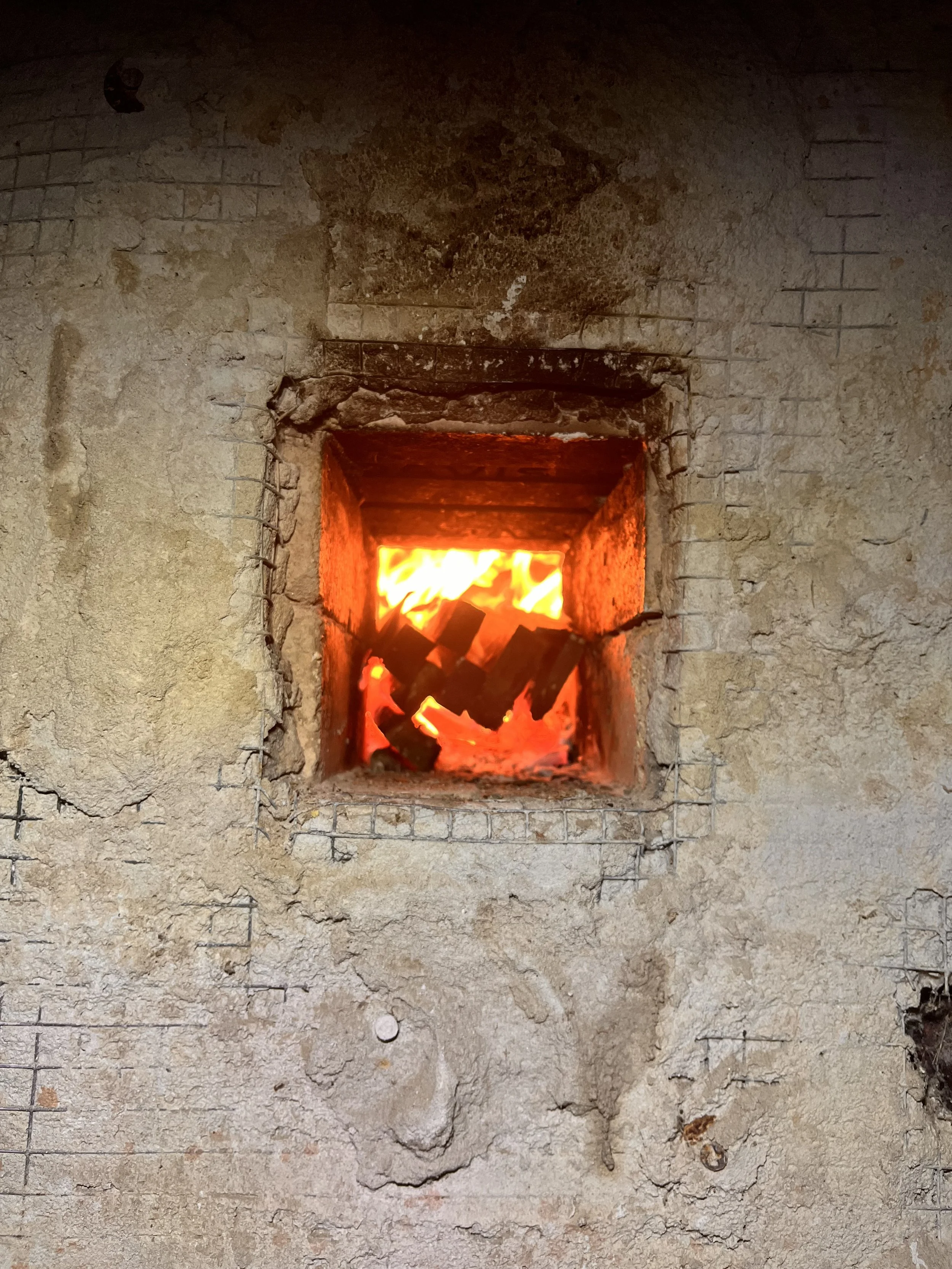
Wood-firing is often a community process. Potters take turns stoking with armfuls of wood every few minutes, until the kiln reaches about 2300°F. Depending on the shape and style of kiln, this can take between a day and a week of constant stoking. Wood ash melts on the surface of the pots, iron flashes in slips and glazes, and the touch of the flame is left on the surface of the pots. In some wood kilns, salt is added at the end of the firing, which vaporizes and coats all the pots inside with a thin glaze.
Pit-fired pottery
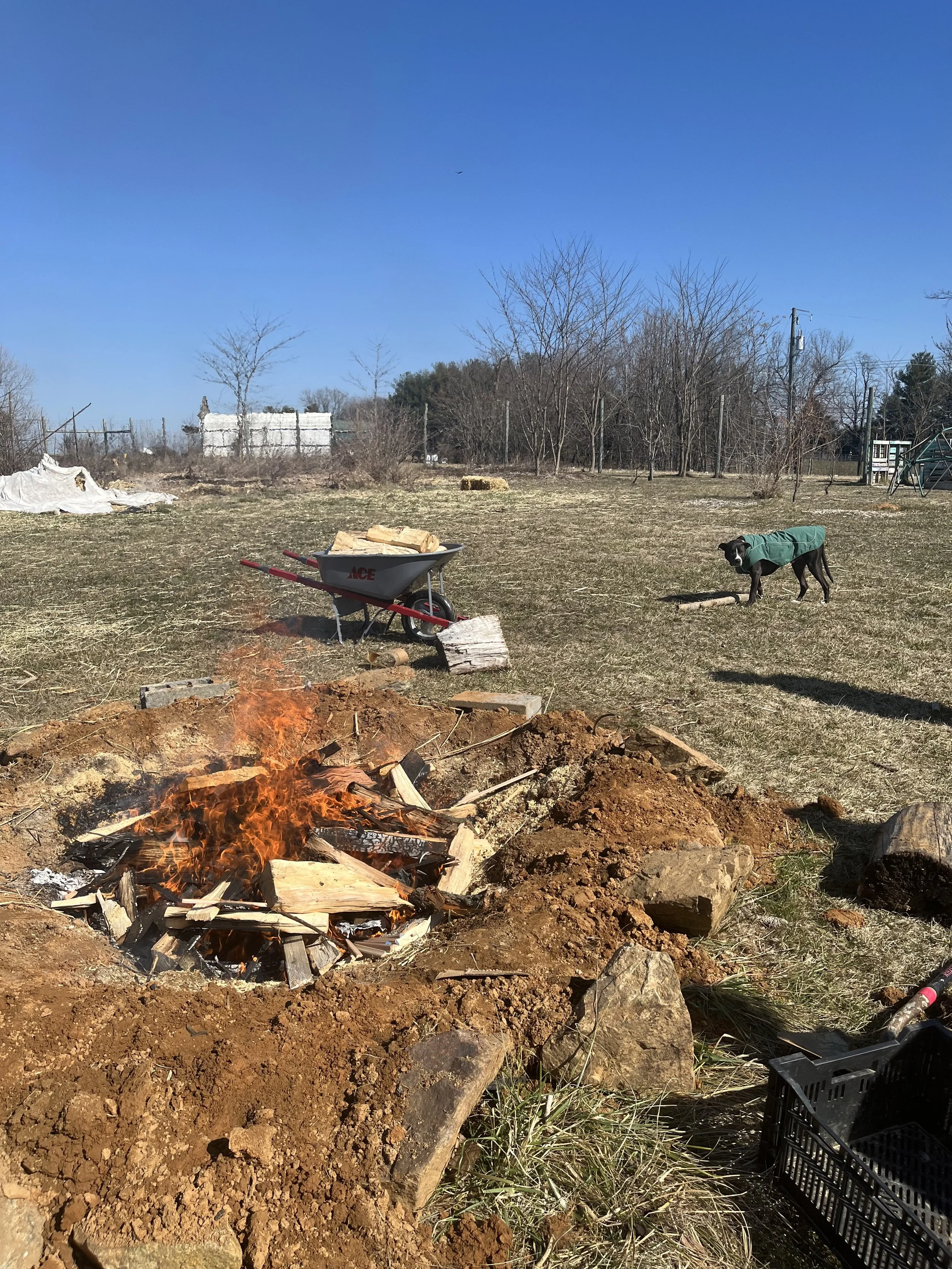
Pit-firing is the oldest known method of firing pottery. Indigenous people across North America fired earthenware pottery, often coil-built, in pit fires to create utilitarian and ceremonial vessels. In pit-firing, unglazed pots are nestled in a shallow hole in the ground, surrounded with combustibles such as wood and sawdust, and fired. The fire is then covered back in clay to starve the atmosphere of oxygen, allowing the pottery to take on colors from alchemizing additives such as copper and iron scraps hugging ceramic surfaces.
North Carolina clay
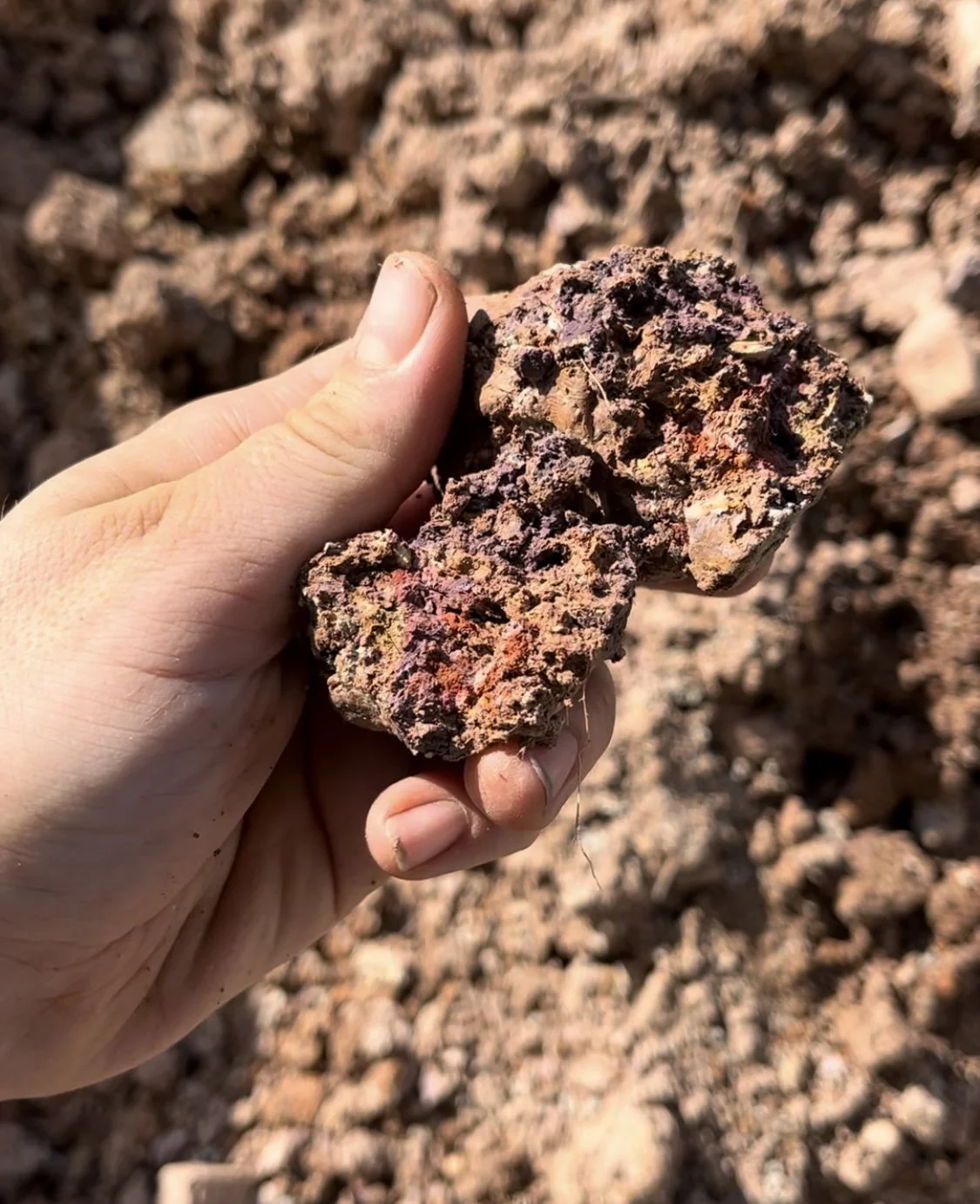
I use clay from the Catawba River Valley, processed by StarWorks in the Piedmont region of North Carolina. This clay tells a story of North Carolina geology: the push and pull between the Appalachian and Uwharrie mountains, exposing volcanic ash to settle into kaolin clay deposits, the rising and receding of the sea, breaking stone down into small clay particles. This clay-rich soil led European settlers to take up pottery in central North Carolina.
Honeybee alchemy
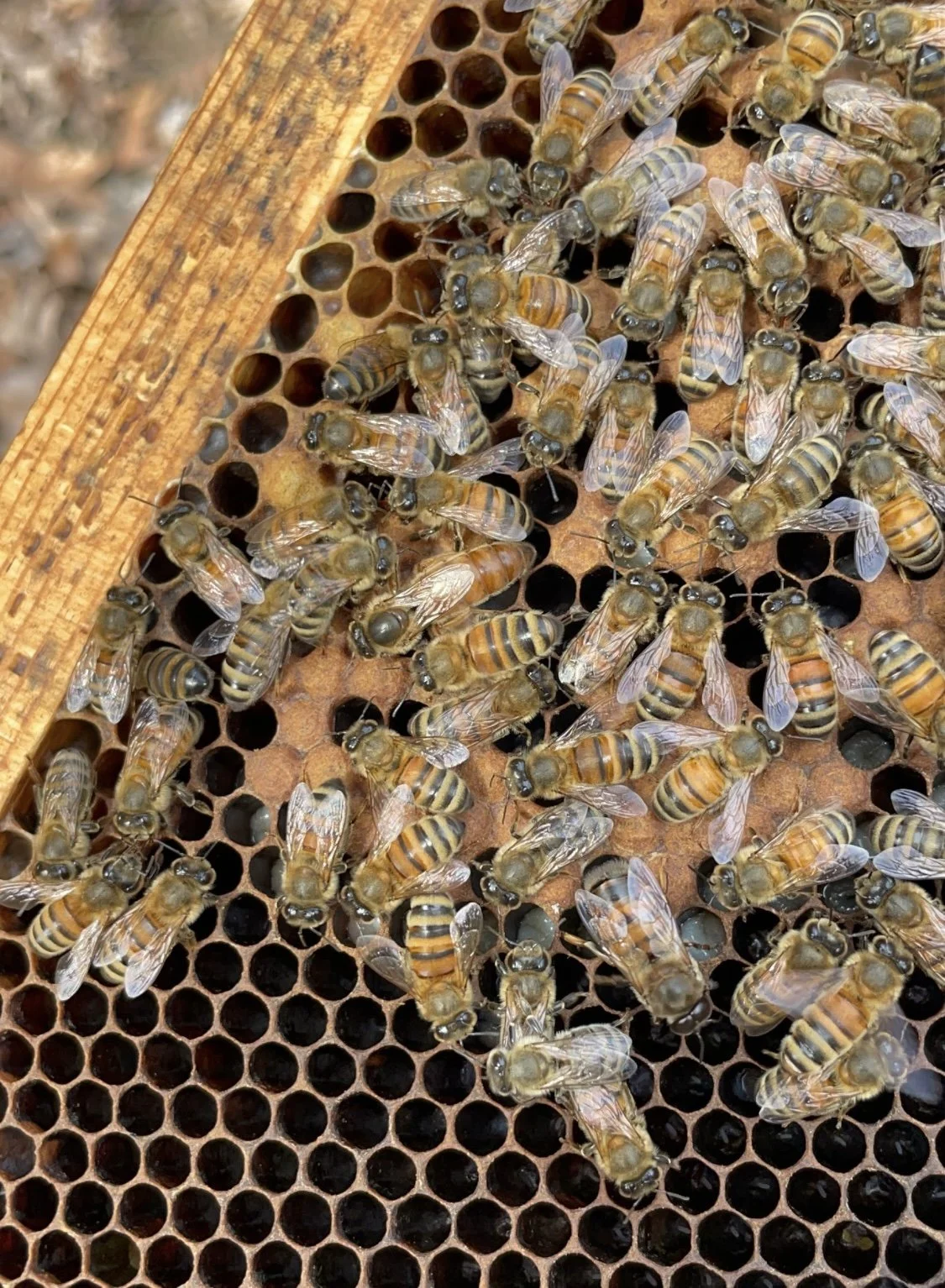
Honeybees transform honey into beeswax by extruding sheets of wax from glands on their abdomens. They then chew and sculpt the wax to create the perfect hexagonal structure of their hive. At the end of the season, beekeepers collect and filter the wax, which can then be used to make candles. Beeswax is the cleanest and brightest-burning candle wax. Thank you, bees!
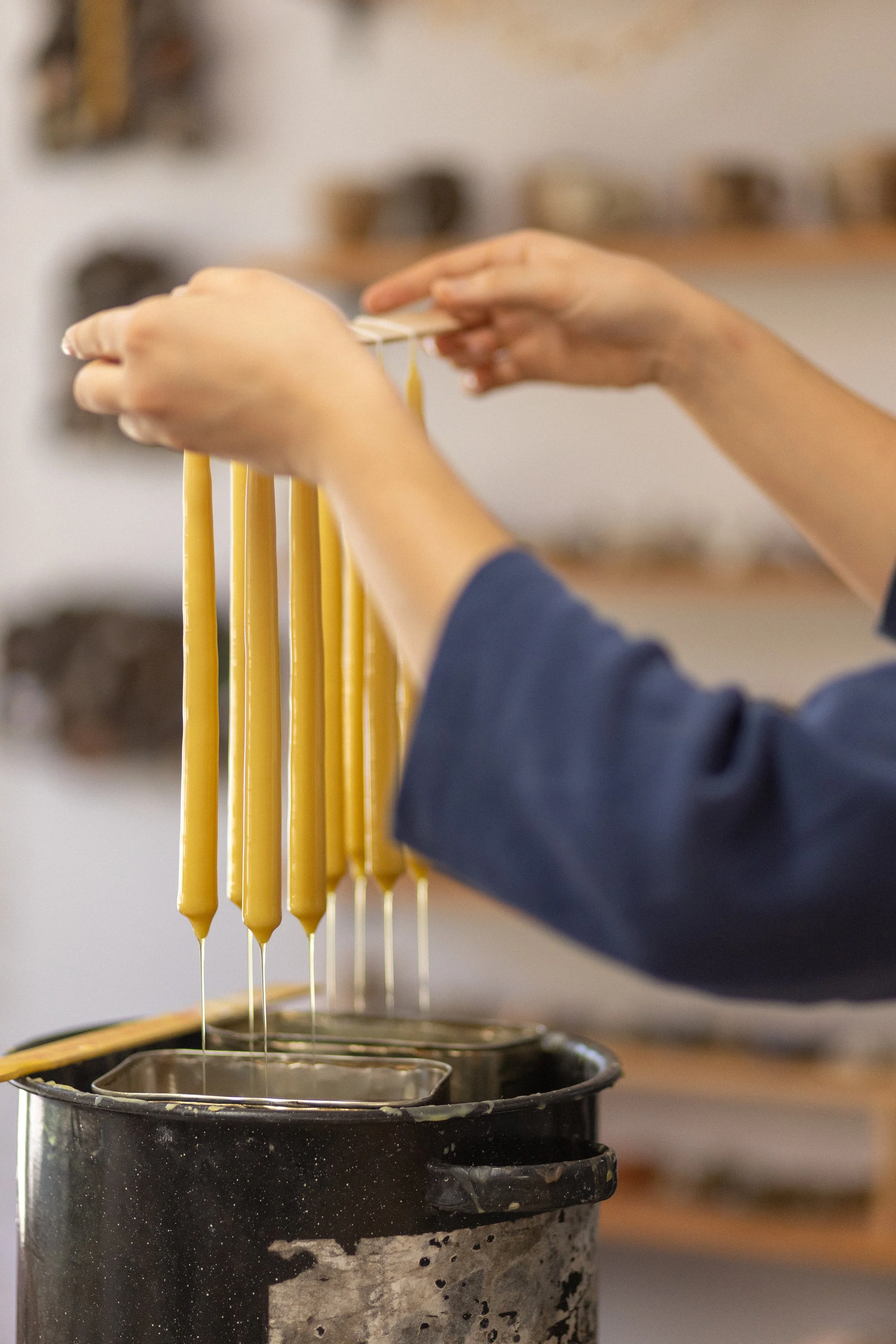
Candle dipping
Dipping candles is a very old practice, traced back to the Egyptian rushlight: a reed dipped repeatedly in animal fat. Tapers have long been used to generate light, tell time, and connect with spirit. Dipping a candle layer by layer is a meditative process, creating a long, even burn.
Flax spinning
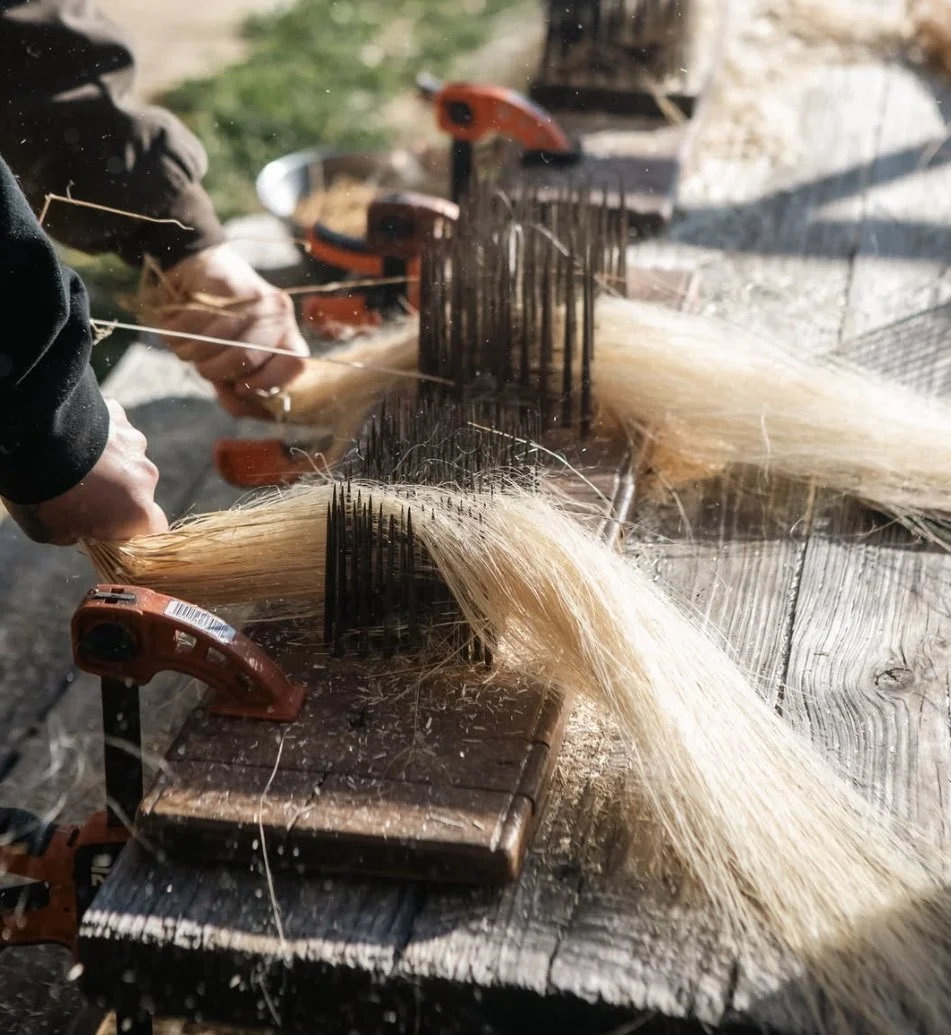
While many different plant fibers were historically used to create candle wicking, I am interested in the use of braided linen thread, derived from the flax plant. To spin flax into linen, the plant must be harvested, dried, retted, rippled, broken, scutched, and hackled. These steps remove woody debris from the outer layer of the plant to reveal its fibrous core. The fibers can then be spun into linen thread, plied into yarn, or braided into wicking.
Sign up for my newsletter
I send periodical emails about shows, online sales, and workshops.